What Is Passive Fireproofing for Cellulosic Fire Protection?
Passive fireproofing for cellulosic fire protection is a critical fire safety solution designed to protect structural steel and maintain building stability during a fire. Cellulosic fires are caused by combustible materials such as wood, paper, textiles, furniture and other common building contents.
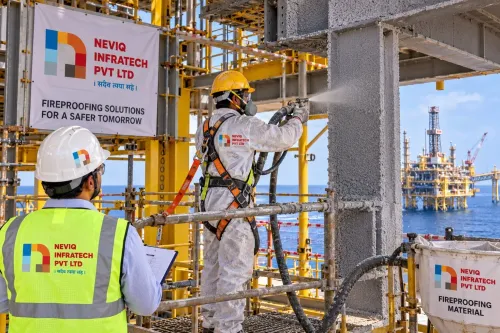
NEVIQ INFRATECH focuses on passive fire protection solutions that help improve structural fire resistance, support building safety and provide valuable time for occupant evacuation and emergency response.
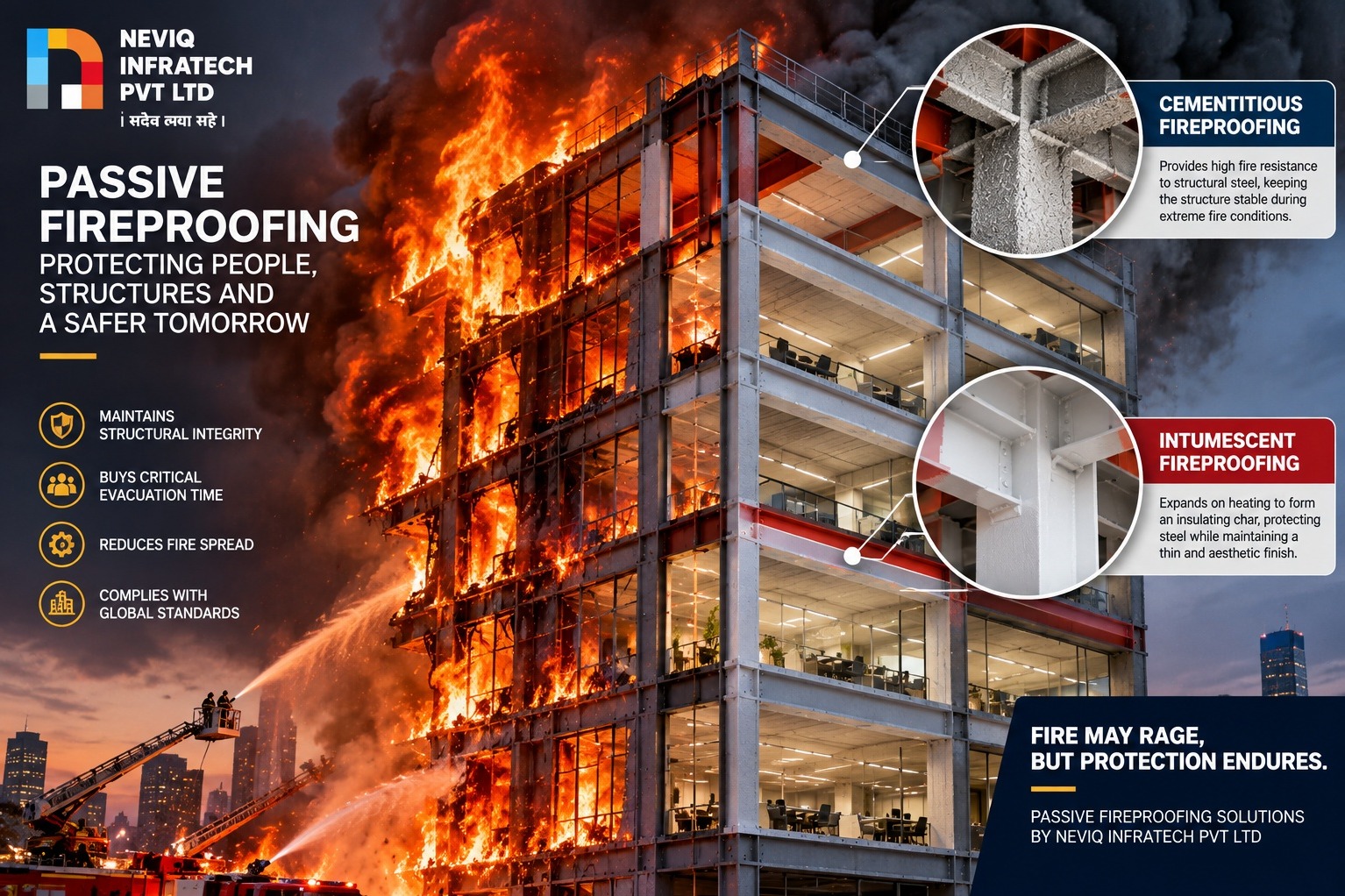
Cellulosic fire protection coatings work by insulating structural steel against high temperatures, slowing the rate of temperature rise and helping maintain the load-bearing capacity of steel for a specified period.
Types of Fireproofing Coatings Used for Cellulosic Fire Protection
Several types of fireproofing systems are used for cellulosic fire protection, depending on the structural requirements, exposure conditions, required fire-resistance rating and project specifications.
1. Water-Based Intumescent Fireproofing Coatings
Water-based intumescent coatings are widely used for protecting structural steel in commercial buildings, offices, shopping malls, hospitals and other infrastructure projects.
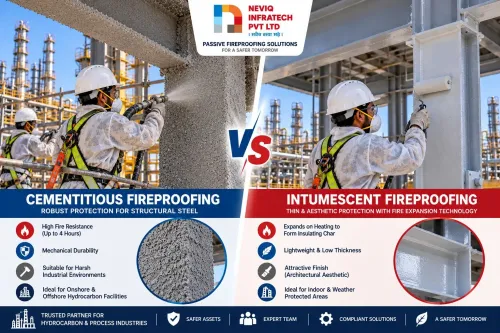
When exposed to high temperatures, these coatings expand and form a thick, insulating char layer that reduces heat transfer to the steel substrate.
Key benefits:
- Smooth, decorative finish for exposed structural steel.
- Low-VOC options for suitable applications.
- Convenient application using approved spray equipment.
- Suitable for specified interior environments.
- Available in tested systems for different fire-resistance periods.
2. Solvent-Based Intumescent Fireproofing Coatings
Solvent-based intumescent coatings provide passive fire protection for structural steel where the specified product system and environmental conditions make them suitable.
During a fire, the coating expands to form an insulating protective layer, helping delay the steel from reaching its critical temperature.
Key benefits:
- Thin-film application compared with many traditional insulation systems.
- Suitable for selected commercial and industrial projects.
- Potential for an attractive architectural finish.
- Available in systems designed for specified fire-resistance ratings.
- Can be used for shop or site application, subject to product requirements.
3. Epoxy-Based Intumescent Fireproofing Coatings
Epoxy-based intumescent coatings are high-performance fire protection materials used where enhanced durability, impact resistance or resistance to demanding service conditions is required.
The coating reacts to heat and forms an insulating char layer that helps protect the underlying structural steel. The suitability of an epoxy system for cellulosic fire protection must be verified against its specific test certification and approved application.
Key benefits:
- High durability in appropriately specified systems.
- Good resistance to mechanical damage and selected chemicals.
- Suitable for demanding industrial environments when certified for the intended exposure.
- Potential for shop application and controlled installation.
- Available in selected systems offering extended fire-resistance periods.
4. Cementitious Fireproofing Materials
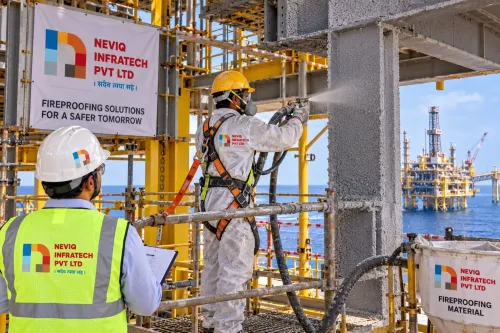
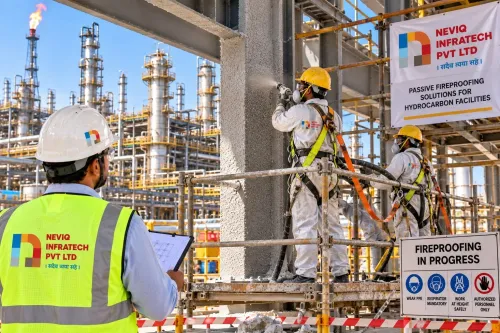
Cementitious fireproofing materials provide thermal insulation through a relatively thick protective layer applied to structural steel and other approved substrates.
These materials are commonly supplied as spray-applied fire-resistive materials or other cement-based systems. They are often selected for structural applications where a thicker protective covering is acceptable.
Key benefits:
- Effective thermal insulation when properly designed and installed.
- Suitable for many structural steel fireproofing applications.
- Can be specified for different fire-resistance requirements.
- Useful where a decorative thin-film finish is not the main priority.
5. Fire-Resistant Boards and Protective Cladding Systems
Fire-resistant boards and cladding systems are alternative passive fire protection solutions for structural members. Although they are not liquid-applied coatings, they are widely used in cellulosic fire protection designs.
These systems surround or enclose structural steel with fire-resistant materials to limit heat transfer during a fire.
Key benefits:
- Factory-manufactured protective components.
- Suitable for enclosed structural steelwork.
- Can provide a clean, finished appearance.
- Useful where board-based construction is preferred over spray-applied coatings.
How to Choose the Right Cellulosic Fireproofing System
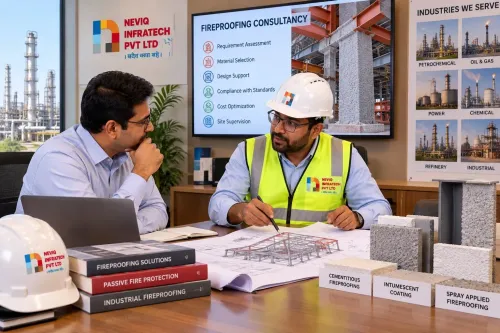
Selecting the correct passive fireproofing system requires consideration of several technical factors:
- Required fire rating: The design may require 30, 60, 90, 120 minutes or another specified period.
- Structural section: Steel beams, columns, hollow sections and other profiles may require different coating thicknesses.
- Environmental exposure: Interior, exterior, humidity and corrosive conditions influence product selection.
- Application method: Site-applied spray coatings, shop-applied coatings, cementitious materials and boards have different installation requirements.
- Finish requirements: Thin-film intumescent coatings are often preferred for architecturally exposed steel.
- Testing and certification: The selected system must have appropriate test evidence and approval for the intended substrate, fire exposure and project requirements.
The coating thickness and complete protective system must be determined using the relevant product's technical documentation, approved fire-resistance assessment and project specification.
Applications of Cellulosic Passive Fire Protection
Cellulosic fireproofing systems are used in a wide range of building and infrastructure projects, including:
- Commercial buildings and office complexes.
- Shopping malls and retail developments.
- Hospitals, schools and institutional buildings.
- Airports, railway stations and public infrastructure.
- Industrial buildings and manufacturing facilities.
- Warehouses and logistics centers.
- Exposed structural steel in modern architectural designs.
Why Choose NEVIQ INFRATECH for Passive Fireproofing?
NEVIQ INFRATECH aims to support construction and infrastructure projects with a focus on passive fire protection, appropriate system selection and reliable project execution.
A well-designed cellulosic fireproofing system can help protect structural steel, support compliance with applicable fire safety requirements and contribute to the long-term safety of a building.
For project-specific requirements, the selection of coatings, application procedures, dry film thickness and inspection criteria should follow the approved system documentation and applicable standards.
Conclusion
Passive fireproofing for cellulosic fire protection plays an important role in protecting structural steel from the effects of building fires. Water-based intumescent coatings, solvent-based intumescent coatings, certified epoxy-based intumescent coatings, cementitious fireproofing materials and fire-resistant board systems each offer different advantages.
NEVIQ INFRATECH recognizes the importance of selecting the appropriate fireproofing solution based on structural design, environmental exposure, required fire-resistance duration and applicable safety standards.
Contact NEVIQ INFRATECH to discuss passive fireproofing requirements for your next construction or infrastructure project.
Keywords