Obtaining an accurate passive fireproofing quotation requires detailed information about the project, fire protection requirements, application area and site conditions. Whether you are planning fireproofing for a commercial building, industrial plant, refinery, petrochemical facility or infrastructure project, providing the correct technical details helps ensure accurate cost estimation and suitable system selection.
At NEVIQ INFRATECH, passive fire protection solutions include intumescent coatings, cementitious fireproofing, cellulosic fire protection and hydrocarbon fire protection systems. The quotation process considers project specifications, fire resistance requirements, material selection, application methods and installation conditions.
1. Project Details and Location
The first step in preparing a passive fireproofing quotation is to understand the project scope.
Please provide:
- Project name and location.
- Type of facility, such as a commercial building, warehouse, refinery, power plant or industrial unit.
- Client, consultant or main contractor details.
- Project stage: design, tender, construction or renovation.
- Expected project start date and completion schedule.
These details help assess site accessibility, logistics, labor requirements and project-specific conditions.
2. Fire Resistance Rating Required
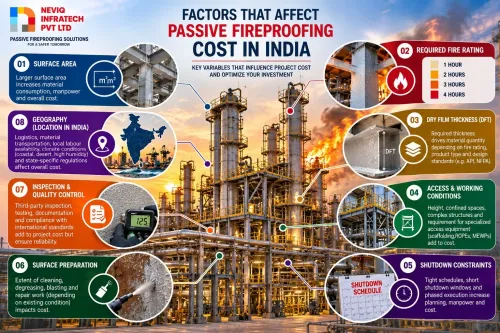
The required fire resistance rating is one of the most important factors affecting the quotation.
Please specify whether the project requires 30, 60, 90, 120, 180 or 240 minutes of fire resistance, as applicable to the selected system and approved design.
Also clarify the type of fire exposure:
- Cellulosic fire protection: Commonly considered for commercial buildings and conventional structural steel applications.
- Hydrocarbon pool fire protection: Used in relevant oil, gas, refinery and petrochemical applications.
- Hydrocarbon jet fire protection: Required for specific high-velocity flame exposure scenarios where the selected system is tested or qualified for that condition.
The fire rating and exposure conditions must be supported by the applicable project specification and suitable system test or assessment documentation.
3. Structural Drawings and Technical Specifications
For structural steel fireproofing, provide the latest available drawings and technical documents, including:
- General arrangement (GA) drawings.
- Structural steel fabrication drawings.
- Steel member schedules.
- Bill of quantities (BOQ).
- Project fireproofing specification.
- Applicable fire safety standards and consultant requirements.
These documents help identify the members requiring protection and establish the scope of work.
4. Steel Section Details and Surface Area
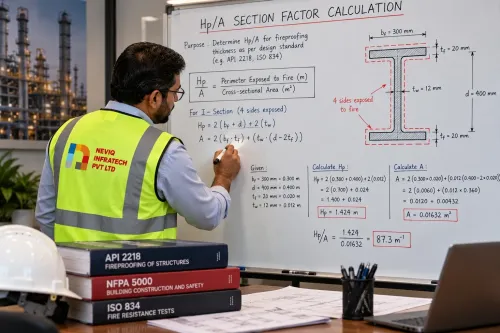
For intumescent or other structural steel fireproofing systems, the dimensions and geometry of the steel members are essential for estimating quantities.
Relevant information includes:
- Beam, column, brace, truss and pipe rack details.
- Steel section sizes and profiles.
- Number of members and their lengths.
- Total surface area requiring protection.
- Section factor (Hp/A), where applicable to the selected system.
- Whether the steel is exposed, partially enclosed or enclosed.
If the total surface area is not available, provide the structural drawings and member schedules for assessment. The required coating thickness and material consumption must be determined using the approved system's design data.
5. Type of Passive Fireproofing System
Please identify the preferred system, if already specified, or request technical assistance with system selection.
Typical options include:
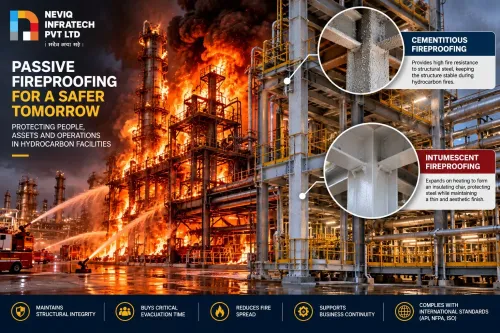
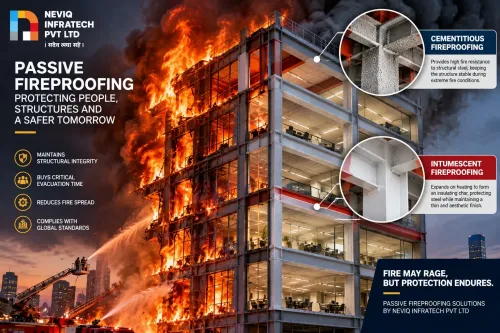
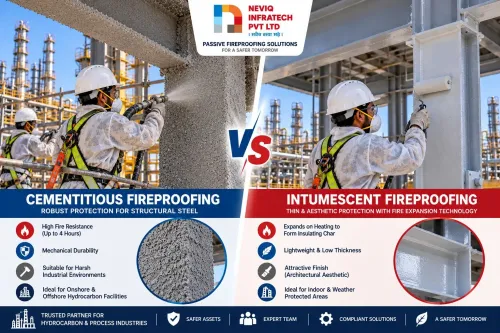
- Intumescent fireproofing coatings: Expand when exposed to fire and form an insulating char layer.
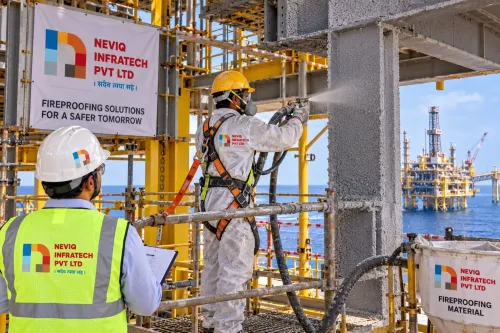
- Cementitious fireproofing: Uses a protective cement-based material applied to suitable substrates.
- Cellulosic fire protection: Designed for specified building fire exposure scenarios.
- Hydrocarbon fireproofing: Designed for qualified pool-fire or jet-fire exposure conditions.
- Cable fireproofing coatings: Used for suitable cable protection applications in accordance with project requirements.
The final system selection depends on fire performance, substrate, environmental exposure, durability, finish and project specifications.
6. Surface Preparation and Existing Coating Details
Surface preparation and compatibility with existing coatings can significantly influence the quotation.
Please share details of:
- Existing primer or anticorrosive coating.
- Current surface condition and cleanliness.
- Required surface preparation standard.
- Any rust, contamination, damaged coating or corrosion.
- Compatibility requirements between primer and fireproofing material.
- Whether surface preparation and primer application are included in the scope.
A site inspection may be necessary where the existing condition cannot be adequately assessed from photographs or drawings.
7. Site Conditions and Accessibility
The application environment affects productivity, equipment requirements and installation costs.
Please provide information about:
- Indoor or outdoor application.
- Ambient temperature and humidity conditions, where known.
- Height of the structural members.
- Scaffolding, elevated work platforms or other access requirements.
- Whether the steel is fabricated at a workshop or installed at the project site.
- Availability of electricity, water, storage and material handling facilities.
- Operational restrictions, work permits and safety requirements.
For industrial facilities, also clarify whether work must be carried out in an operating plant or during a shutdown.
8. Quantity and Scope of Work
A clear scope of work helps prevent misunderstandings and omissions in the quotation.
Confirm whether the requirement covers:
- Supply of fireproofing materials only.
- Application labour only.
- Supply and application.
- Surface preparation and primer.
- Reinforcement mesh, where required by the approved system.
- Protective topcoat or weather-resistant finish, where required.
- Scaffolding and access equipment.
- Inspection, testing and quality documentation.
Provide quantities in the appropriate units, such as square meters, running meters, individual members or BOQ line items, depending on the application.
9. Technical Compliance and Documentation
To prepare a technically compliant quotation, provide the relevant project standards and approval requirements.
These may include:
- Applicable fire test reports and system approvals.
- Project-specific technical specifications.
- Approved manufacturer or product requirements.
- Required inspection and test plans (ITPs).
- Quality assurance and quality control (QA/QC) documentation.
- Dry film thickness (DFT) requirements for coating systems.
- Method statements and material submittal requirements.
- Warranty and handover documentation requirements.
Any proposed alternative product should be evaluated against the specified fire performance, substrate compatibility and approval requirements before acceptance.
10. Commercial and Delivery Requirements
In addition to technical information, the following details help prepare a complete commercial offer:
- Required quotation submission date.
- Expected material delivery schedule.
- Project execution timeline.
- Delivery location and unloading arrangements.
- Applicable taxes and freight requirements.
- Payment terms and commercial conditions.
- Any tender-specific pricing format or BOQ requirements.
The quotation should clearly state inclusions, exclusions, assumptions, validity and any items requiring confirmation.
Documents Checklist for a Passive Fireproofing Quotation
Use this checklist before requesting a quotation from NEVIQ INFRATECH.
- Project name and site location.
- General arrangement and structural drawings.
- BOQ or estimated quantities.
- Required fire resistance rating.
- Fire exposure type: cellulosic, hydrocarbon pool fire or jet fire, as applicable.
- Steel section sizes and surface area, where applicable.
- Preferred fireproofing system or technical specification.
- Existing primer and surface condition details.
- Site access and working conditions.
- Scope of supply and application.
- Applicable standards and approval requirements.
- Project schedule and commercial terms.
Providing these details at the enquiry stage helps reduce clarification cycles and supports a more reliable, project-specific quotation.
Why Choose NEVIQ INFRATECH for Passive Fireproofing Requirements?
NEVIQ INFRATECH provides passive fire protection and fireproofing solutions for industrial, commercial and infrastructure projects. Its service portfolio includes intumescent coatings, cementitious fireproofing, hydrocarbon fire protection, protective coatings, technical system selection and project estimation support.
The team can assess project requirements to help identify suitable systems, review technical specifications and support fireproofing cost estimation.
Request a Passive Fireproofing Quotation
Are you planning a structural steel fireproofing project, refinery upgrade, industrial facility or commercial construction project?
Share your project drawings, BOQ, required fire rating and site details with NEVIQ INFRATECH to initiate a technical review and quotation.
Keywords