
Steel structures can lose load-bearing capacity rapidly when exposed to high temperatures. Selecting the right passive fire protection system is therefore not simply a commercial decision—it is essential to the safety, compliance, durability, and long-term performance of a project. Before approving a steel fireproofing quotation, project owners, consultants, contractors, and procurement teams should evaluate every technical and commercial detail carefully.
Key Checks Before Approving a Steel Fireproofing Quotation
1. Confirm the Required Fire Resistance Rating
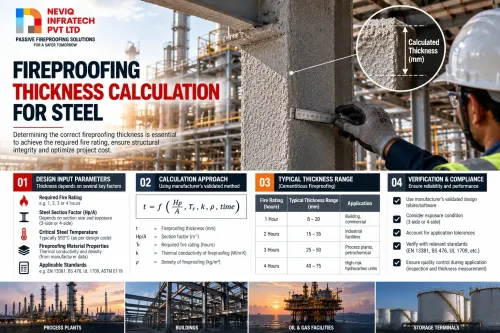
The quotation must clearly state the required fire-resistance period, such as 30, 60, 90, 120, 180, or 240 minutes. This rating should match the approved fire strategy, structural design requirements, local authority requirements, and applicable project specifications.
Do not accept a quotation that mentions only “fireproofing” without identifying the fire rating and the tested system proposed.
2. Verify the Type of Fireproofing System
Different steel members and environments require different systems. The quotation should specify whether it proposes:
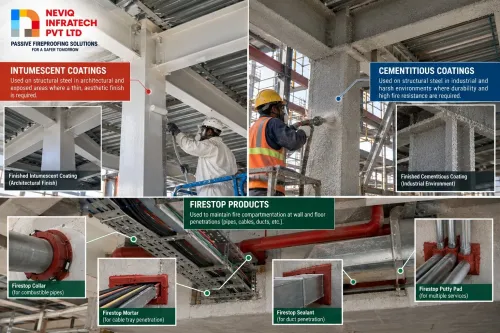
- Intumescent coating
- Cementitious spray-applied fireproofing
- Board-based fire protection
- Fireproof cladding or encasement
- Vermiculite-based spray systems
The selected material should be suitable for the structural profile, exposure conditions, architectural finish, maintenance requirements, and required fire rating.
3. Review Test Certificates and Approvals
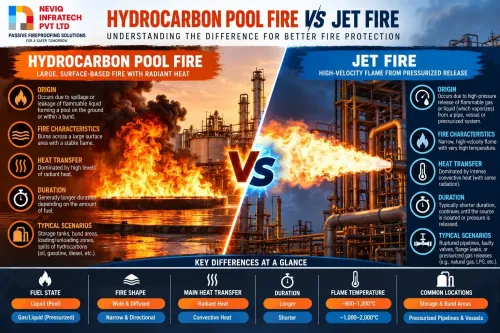
The proposed fireproofing system should be supported by valid third-party fire-test reports, assessment reports, and product approvals. Confirm that the tested system covers the actual steel section types, orientations, fire exposure conditions, and protection thicknesses included in the project.
Relevant evidence may include testing or assessments based on recognized standards such as EN, BS, ASTM, UL, or other project-specified requirements. Ensure documents are current, traceable, and applicable to the quoted system.
4. Define Surface Preparation Requirements
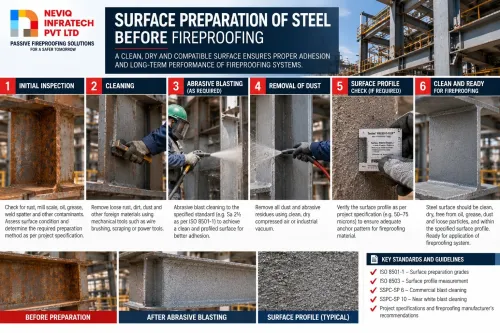
The performance of a fireproofing system depends heavily on substrate condition. The quotation should clearly define requirements for steel preparation, primer compatibility, surface cleanliness, corrosion protection, and repair of damaged areas.
If intumescent coating is proposed, confirm whether the existing primer is approved by the fireproofing manufacturer. An incompatible primer can affect adhesion, coating performance, or fire certification.
5. Check Scope Inclusions and Exclusions
A professional quotation should identify the complete scope of work, including material supply, surface preparation, application, touch-up, topcoat where required, access arrangements, masking, protection of adjacent finishes, quality checks, documentation, and waste removal.
Pay particular attention to exclusions. Items such as scaffolding, lifting equipment, access platforms, primer repairs, topcoats, testing, transportation, and night-shift work can significantly affect the final project cost.
Do’s When Reviewing a Steel Fireproofing Quotation
- Do match the quoted system with the approved fire strategy and project specification.
- Do request a member-wise thickness schedule and quantity breakdown.
- Do verify manufacturer approval, test reports, and system compatibility.
- Do check whether the quotation covers both material and application.
- Do confirm the proposed application method, including spray, brush, roller, or airless spray.
- Do assess environmental conditions, especially humidity, temperature, external exposure, and corrosive environments.
- Do ask for a quality assurance plan, including dry-film-thickness checks and repair procedures.
- Do confirm warranty terms, maintenance requirements, and handover documentation.
- Do compare quotations on technical compliance and lifecycle value—not only on the lowest price.
Don’ts When Reviewing a Steel Fireproofing Quotation
- Don’t approve a quotation with an undefined fire rating.
- Don’t accept generic thickness assumptions without section-factor calculations.
- Don’t compare different fireproofing systems solely by rate per square meter.
- Don’t overlook primer compatibility and steel surface-condition requirements.
- Don’t assume all products provide the same fire performance in every condition.
- Don’t ignore protection for connections, hollow sections, complex geometries, and difficult-to-access steel members.
- Don’t accept incomplete test evidence or documents that do not match the proposed system.
- Don’t proceed without clarity on access, sequencing, curing time, and site logistics.
- Don’t compromise on trained applicators and site quality control for short-term savings.
Final Consideration
A well-reviewed steel fireproofing quotation helps prevent costly variations, compliance issues, rework, and safety risks during construction and throughout the life of the building. NEVIQ INFRATECH delivers professional passive fire protection support with a strong focus on technically appropriate solutions, detailed project coordination, quality-controlled application, and dependable service for structural steel fireproofing requirements.
Keywords